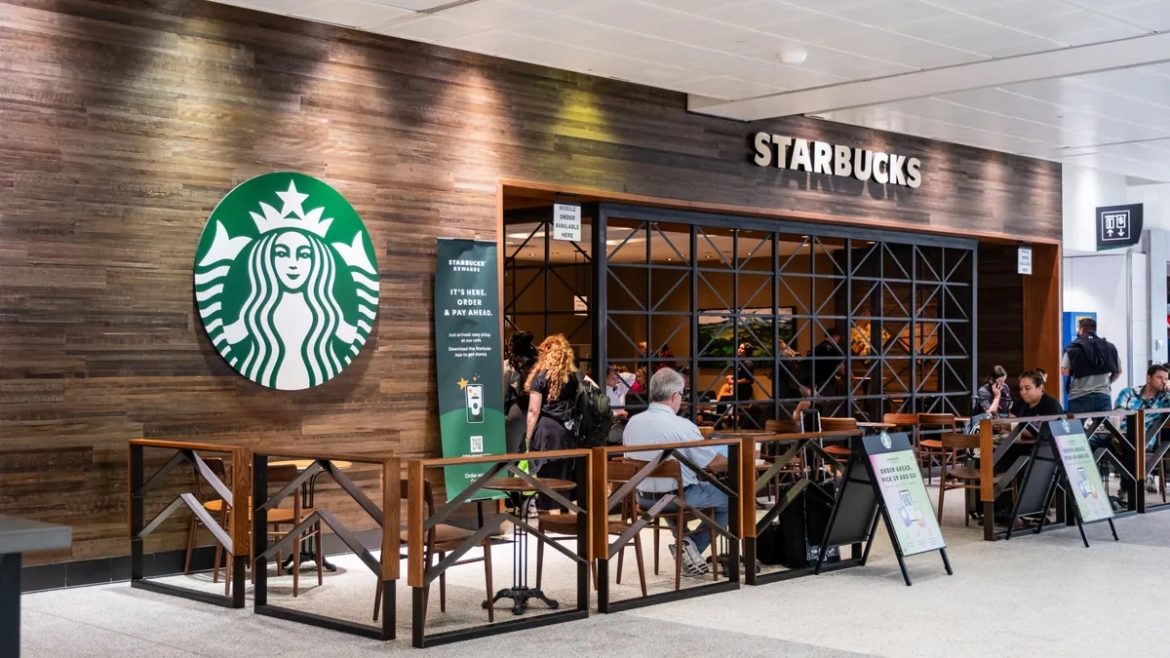

Starbucks Store Design: Discovering Creative Interior Concepts and Modern Coffee Shop Experiences
Starbucks store design represents an interesting combination of creativity, comfort, functionality, and brand identity. Rather than creating identical coffee shops in every location, the company has developed interior concepts that reflect local culture, architectural characteristics, and customer lifestyles. Each store is designed to provide more than a place to purchase coffee. It offers an environment where people can relax, socialize, work, and enjoy their favorite beverages. Through carefully selected materials, distinctive furniture, atmospheric lighting, and thoughtful layouts, Starbucks demonstrates how interior design can influence the overall customer experience.
1. Creating a Strong Visual Brand Identity
One of the most recognizable elements of Starbucks store design is its consistent visual identity. The familiar green color, circular logo, and carefully selected interior details help customers recognize the brand immediately. However, individual stores often introduce different design elements to create a unique atmosphere. starbucksstoredesign Some locations feature contemporary interiors with clean architectural lines, while others incorporate traditional materials and regional influences. This balance between recognizable branding and creative individuality allows Starbucks to maintain a consistent image while making each coffee shop feel connected to its surroundings.
2. Incorporating Local Culture into Interior Concepts
Local culture plays an important role in creating distinctive Starbucks interiors. Stores in different cities and countries may feature artwork, building materials, decorative patterns, and architectural details inspired by their surroundings. This approach makes each location more meaningful to the local community. For example, a store in a historic district may preserve traditional architectural features, while a location in a modern urban neighborhood might emphasize industrial finishes and contemporary furniture. Incorporating local identity helps create an authentic atmosphere and allows customers to experience something different when visiting various locations.
3. Using Natural Materials for a Warm Atmosphere
Natural materials are frequently associated with inviting coffee shop interiors. Wood, stone, concrete, metal, and glass can create an appealing combination of textures and visual contrasts. Wooden furniture adds warmth, while stone surfaces and exposed concrete introduce a more contemporary character. These materials can also complement different architectural styles without making the interior feel overly complicated. By combining natural finishes with carefully selected colors, designers can create comfortable spaces that feel sophisticated and welcoming. Material selection is therefore an important part of establishing the personality of a Starbucks-inspired interior.
4. Designing Comfortable Customer Seating
Comfortable seating is essential for creating a successful coffee shop environment. Starbucks interiors commonly feature different seating arrangements to accommodate various customer activities. Individual chairs provide convenient spaces for people working alone, while larger tables support group conversations and collaborative activities. Upholstered benches and comfortable lounge chairs can create relaxed areas for longer visits. The placement of each seating option should consider privacy, accessibility, and customer movement. A well-planned arrangement allows visitors to choose an environment that matches their preferences while helping the store operate efficiently.
5. Exploring Open and Functional Store Layouts
An effective store layout improves both customer convenience and employee productivity. The ordering counter, beverage preparation area, pickup station, and seating zones should be organized logically. Customers need clear directions when entering the store, placing orders, and collecting their drinks. Open circulation areas help reduce congestion, especially during busy periods. At the same time, employees require sufficient working space to prepare beverages and manage equipment. A functional layout combines attractive interior presentation with practical operational requirements, creating a smoother experience for everyone inside the coffee shop.
6. Creating an Inviting Atmosphere Through Lighting
Lighting has a significant influence on the mood of a Starbucks interior. Natural daylight can make the space feel open, fresh, and welcoming, particularly when large windows are incorporated into the architectural design. Artificial lighting provides additional atmosphere through pendant lamps, recessed fixtures, and subtle accent lights. Warm illumination is often suitable for creating comfortable seating areas, while brighter lighting supports visibility around the service counter. Combining different lighting sources helps establish visual depth and makes the interior adaptable to different times of the day.
7. Adding Greenery and Biophilic Design Elements
Plants and nature-inspired details can make a coffee shop feel more relaxing. Indoor greenery introduces natural color and softens the appearance of materials such as concrete, glass, and metal. Small decorative plants can be placed on shelves or tables, while larger plants can enhance unused corners and seating areas. Some interior concepts also incorporate natural textures, earthy colors, and outdoor views to strengthen the connection with nature. These design choices create a refreshing environment that encourages customers to slow down and enjoy their coffee.
8. Integrating Technology into Modern Coffee Shop Design
Technology has become an important part of modern coffee shop operations. Digital ordering systems, electronic payment terminals, mobile order pickup areas, and convenient charging facilities can improve customer convenience. However, technology should be integrated carefully so that it does not interfere with the overall interior concept. Equipment can be positioned within organized service areas, while charging outlets can be incorporated into selected seating arrangements. A successful design balances digital convenience with physical comfort, allowing customers to enjoy modern services without losing the welcoming atmosphere of a traditional coffee shop.
9. Developing Unique Store Concepts Through Architecture
Architectural creativity allows individual coffee shops to stand out from one another. Some Starbucks locations occupy renovated historic buildings, while others are designed as contemporary structures with distinctive shapes and materials. Preserving original architectural elements can create a strong sense of place and give an interior a memorable character. In contrast, modern locations may use expansive glass surfaces, open ceilings, minimalist furniture, and geometric details. These different approaches demonstrate how architecture can transform an ordinary retail environment into a recognizable destination.
10. Combining Sustainability with Interior Design
Sustainability is an increasingly important consideration in contemporary commercial interiors. Thoughtful material selection, energy-efficient lighting, natural ventilation, and durable furniture can contribute to more responsible store design. Reclaimed wood, recycled decorative materials, and locally sourced finishes may also help reduce the environmental impact of interior projects. In addition, practical layouts can support better energy management and reduce unnecessary resource consumption. Integrating sustainability into the design process demonstrates that attractive coffee shop environments can also reflect greater environmental awareness.
11. Creating Memorable Customer Experiences
A successful Starbucks interior is not defined by appearance alone. The atmosphere, comfort, organization, and overall functionality all contribute to how customers experience the space. Small details such as accessible seating, convenient service counters, pleasant lighting, and attractive decorative features can make a meaningful difference. Some customers visit for a quick takeaway drink, while others prefer spending several hours working or meeting friends. Designing spaces that accommodate these different activities helps establish a welcoming environment and encourages positive customer relationships.
Conclusion: The Creative Direction of Starbucks Store Design
Starbucks store design demonstrates how interior concepts can combine branding, local culture, architectural creativity, and everyday functionality. Through natural materials, comfortable furniture, thoughtful lighting, modern technology, and sustainable design choices, coffee shops can become more than ordinary commercial spaces. Each design element contributes to an environment that supports customer comfort while expressing a recognizable identity. For cafe owners, architects, and interior designers, these concepts offer valuable inspiration for developing distinctive coffee shop environments. Ultimately, the best coffee shop designs are those that balance visual appeal with practical needs and create experiences that customers remember.