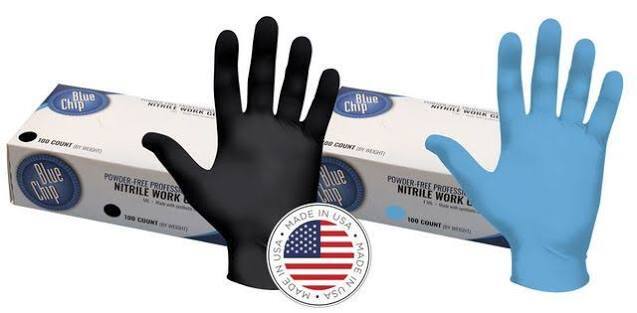

How American-Made Nitrile Gloves Support Domestic Manufacturing
American-made nitrile gloves play a role in connecting healthcare supply needs with domestic manufacturing capabilities. Hospitals, laboratories, and industrial workplaces rely on disposable gloves to support hygiene and protect workers during many routine tasks. Producing these products in the United States can contribute to local employment, strengthen parts of the manufacturing sector, and give buyers another option when evaluating supply sources.
Interest in domestic production also reflects broader concerns about supply chain reliability. When businesses understand where protective products come from, they can make more informed purchasing decisions and assess how suppliers respond to changes in demand.
American-Made Nitrile Gloves and Local Jobs
Manufacturing nitrile gloves requires workers across several stages, including production, quality control, packaging, equipment maintenance, warehousing, and distribution. Facilities that produce gloves domestically can create jobs directly while supporting related businesses that provide machinery, raw materials, transportation, and technical services.
These activities can help circulate spending within local economies. Manufacturing sites may also create opportunities for employees to develop technical skills in industrial operations, production monitoring, and quality assurance. The scale of these benefits depends on a facility’s size, level of automation, and use of domestic suppliers.
Strengthening Domestic Supply Chains
Healthcare organizations need dependable access to disposable gloves, particularly when demand rises unexpectedly. American-made nitrile gloves can offer buyers an additional domestic sourcing option and may help diversify their supplier networks.
However, domestic production alone does not guarantee uninterrupted availability. Manufacturers still depend on raw materials, specialized equipment, energy, and transportation. A resilient supply chain therefore requires careful planning, multiple sourcing strategies, and realistic production capacity.
Organizations can strengthen https://www.glovesupply.us/ planning by reviewing supplier capabilities, expected delivery times, inventory levels, and contingency arrangements. These steps help purchasing teams identify potential weaknesses before shortages affect daily operations.
Quality Standards and Manufacturing Technology
Nitrile glove production involves processes designed to create a consistent product with suitable fit, flexibility, and barrier performance. Manufacturers must monitor production conditions and inspect finished products to identify defects that could affect their intended use.
Modern manufacturing technology can improve process consistency, track production data, and reduce avoidable waste. Automation may also help facilities manage repetitive tasks, although equipment requires investment, maintenance, and skilled oversight.
Buyers should evaluate documented product specifications, applicable regulatory requirements, and supplier quality procedures rather than assuming that a product’s country of origin guarantees its performance. Appropriate testing and quality controls remain important regardless of where gloves are manufactured.
Challenges Facing Domestic Glove Manufacturers
Producing nitrile gloves in the United States can involve substantial operating costs. Manufacturers must account for labor, energy, equipment, raw materials, regulatory compliance, and facility maintenance. Competing with established overseas producers may therefore require investment in efficient production methods and reliable distribution.
Access to raw materials can present another challenge. Nitrile rubber and other production inputs may come from international markets, meaning domestic factories can still face global price changes and transportation disruptions. Long-term planning and supplier diversification can help manufacturers manage these pressures.
Purchasing American-Made Nitrile Gloves
Healthcare providers and industrial buyers can assess domestic glove options by examining product documentation, intended use, quality assurance practices, delivery capacity, and total purchasing costs. They should also confirm whether claims about domestic manufacturing accurately describe where the product is made and how its components are sourced.
A useful U.S. manufacturing resource guide can help organizations explore manufacturing capabilities and related industry information. Clear procurement criteria allow buyers to compare suppliers on evidence, product suitability, and supply reliability rather than relying on country-of-origin claims alone.